
Growing Hostility Towards Autonomous Vehicles: A Deep Dive into the Waymo Attack
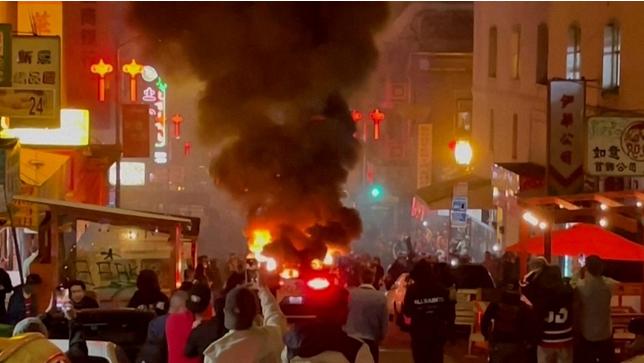
The recent attack on a Waymo self-driving car in San Francisco has sent shockwaves through the autonomous vehicle industry, signaling a concerning uptick in public hostility towards driverless technology. The Alphabet-owned company’s vehicle was vandalized and set ablaze by a crowd during celebrations for China’s Lunar New Year.
The incident, captured in videos posted by witnesses, revealed a disturbing scene where individuals not only damaged the vehicle physically but also set off fireworks inside, leading to a fire that engulfed the Waymo car. This unprecedented act of aggression against an autonomous vehicle raises serious questions about the challenges faced by companies like Waymo in gaining public acceptance.
https://pagead2.googlesyndication.com/pagead/js/adsbygoogle.js?client=ca-pub-9242813102262574(adsbygoogle = window.adsbygoogle || []).push({});Witness Michael Vandi described the chaotic situation where people openly celebrated the destruction of the vehicle. The attack was not only limited to physical damage but also included graffiti and other acts of vandalism. The severity of the incident goes beyond previous instances of harassment against self-driving cars, marking it as the most destructive attack on autonomous vehicles in the U.S. to date.
Waymo emphasized that the targeted vehicle was not carrying any riders at the time, ensuring that no injuries were reported. However, the psychological impact of such an attack on public perception remains a significant concern for the autonomous vehicle industry. Waymo is working closely with local authorities to address the aftermath of the attack, but the incident raises questions about the security measures in place for autonomous vehicles operating on public roads.
https://pagead2.googlesyndication.com/pagead/js/adsbygoogle.js?client=ca-pub-9242813102262574(adsbygoogle = window.adsbygoogle || []).push({});This attack comes on the heels of a collision involving a driverless Waymo car and a cyclist in San Francisco, adding to the scrutiny faced by the company’s autonomous driving technology. While incidents like these are isolated, they contribute to a broader narrative of growing skepticism and resistance to the integration of autonomous vehicles into everyday life.
The incident also brings attention to the potential vulnerabilities of autonomous vehicles, not just in terms of their technological aspects but also in terms of their acceptance by the public. The Waymo spokesperson emphasized that this was a “one-off event,” but the fallout from such incidents could have far-reaching consequences for the future of self-driving cars.
https://pagead2.googlesyndication.com/pagead/js/adsbygoogle.js?client=ca-pub-9242813102262574 (adsbygoogle = window.adsbygoogle || []).push({});As the autonomous vehicle industry continues to push the boundaries of technological innovation, incidents like the Waymo attack underscore the importance of addressing public concerns, enhancing security measures, and fostering a better understanding of the benefits and safety protocols associated with autonomous driving technology. The fallout from this event is likely to prompt industry-wide reflections on how to ensure the safety and acceptance of autonomous vehicles on a broader scale.